
UX as a driver for more efficient production
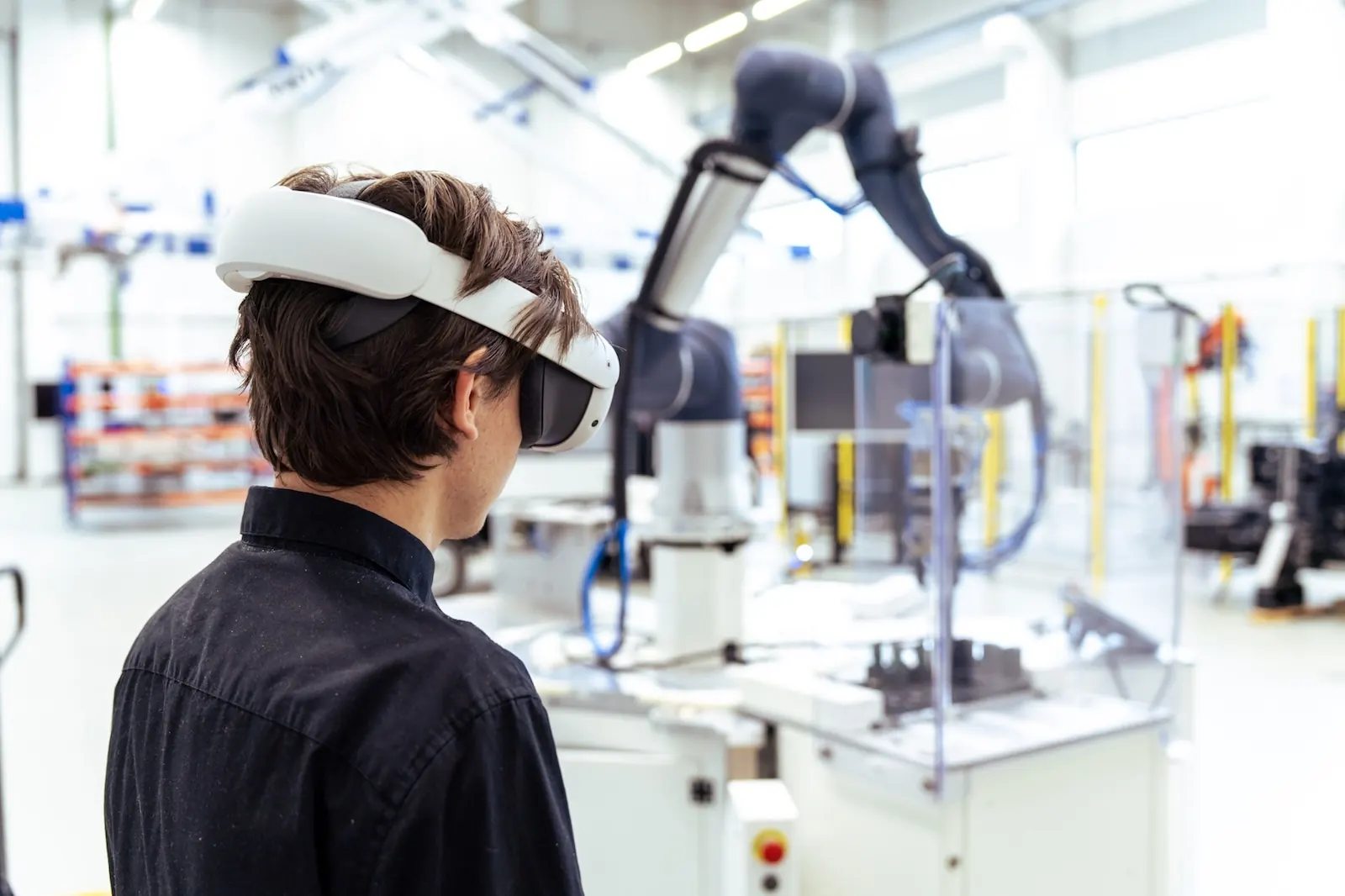
In industrial automation, UX is still too often underestimated. While machines are becoming more complex and product variation keeps growing, many companies still treat the interface as an afterthought. Yet UX is one of the fastest ways to improve performance, safety and adoption on the shop floor.
More clarity, fewer errors
A good HMI experience starts with clarity. Operators must be able to interpret information at a glance. That calls for a consistent visual hierarchy, recognizable icons and a navigation structure that matches the way they work: which actions do they perform most often, what information do they need in critical situations, and how do you keep irrelevant information from distracting them? Every second spent searching is lost time and a potential source of errors.
A shorter learning curve
UX also shortens the learning curve. In environments where teams rotate or seasonal peaks occur, an intuitive interface makes it possible to get new staff up to speed in a short time. When error messages are described clearly and instructions are made visual, operators can respond correctly without extensive training.
Impact on safety
UX also has a direct impact on safety. By linking user roles to tasks, each employee only gets access to the functions relevant to their level. Critical actions require confirmation, and warnings are shown in context. This prevents mistakes caused by stress, routine or fatigue.
Standardization enables scalability
For machine builders, standardizing UX brings an extra benefit in the form of scalability. If you work with modular UX components, you can deliver new machine variants faster, with consistent operation. That speeds up the FAT/SAT phases, reduces the support load and gives end customers a uniform user experience, even across different lines or sites.
UX: a decisive factor for performance
UX is therefore much more than a “coat of paint”. It is a structural factor in how smoothly, safely and consistently a production environment runs. Companies that deliberately build UX into their engineering process create systems that perform well technically and are also people-centred, reliable and future-proof.