Our latest insights.
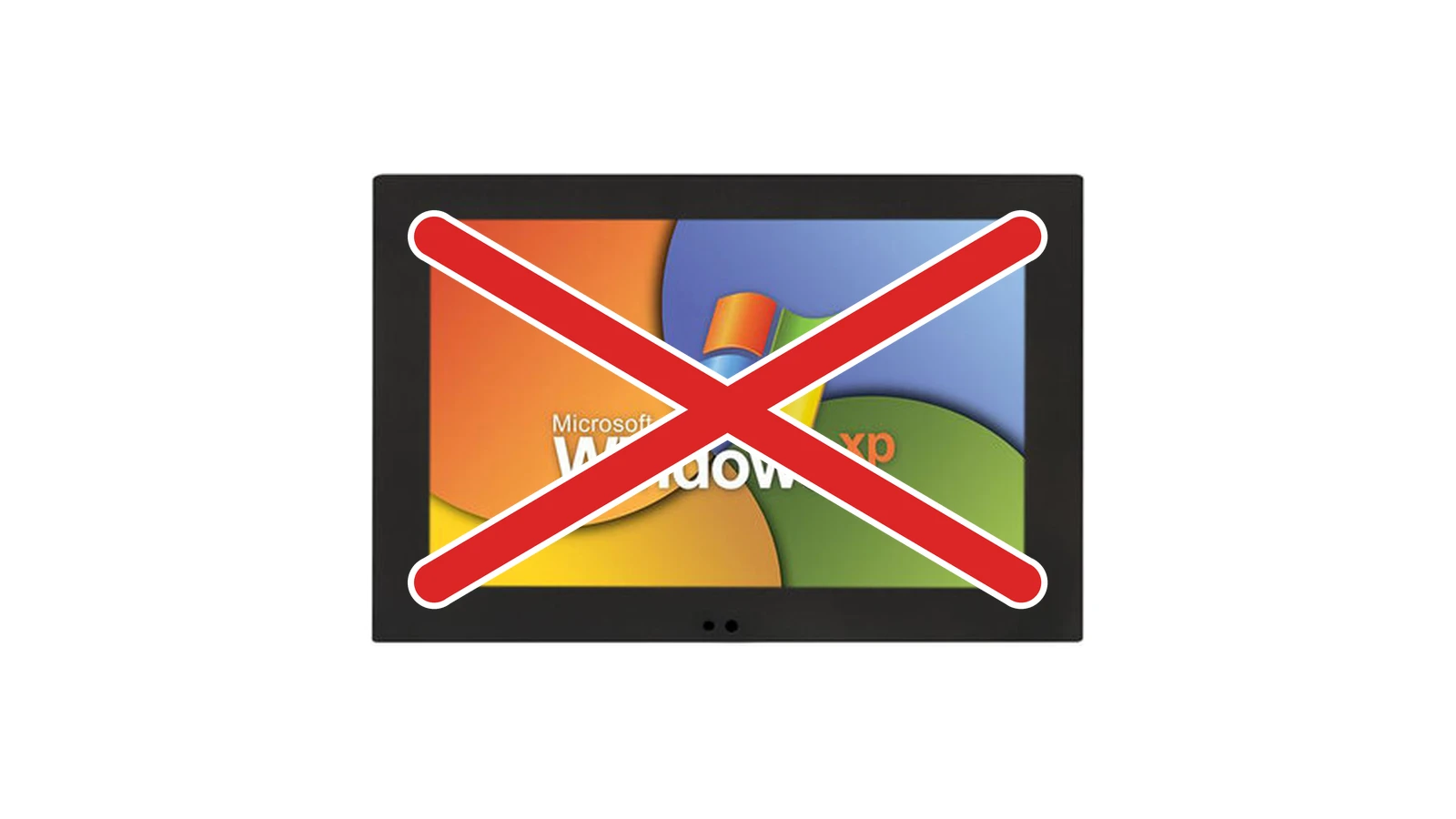
From a Windows panel to a Linux HMI
Windows CE and XP Embedded still run on many machines. How to replace the panel, keep what operators know and get the operator interface in order.
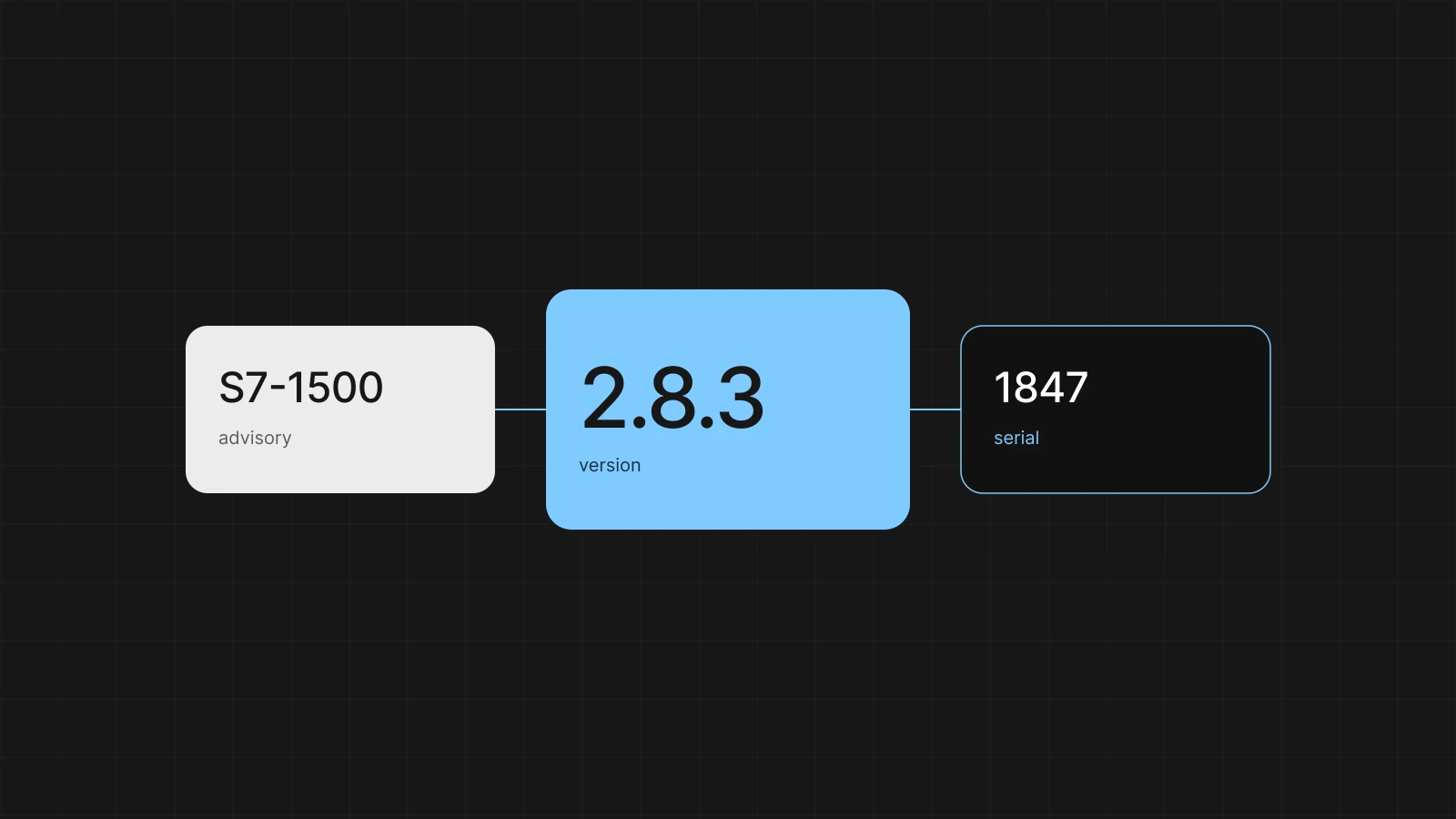
A PLC advisory and two hundred machines
A fictional production machine, firmware from four suppliers, and one advisory. Which of the two hundred machines still run that version.
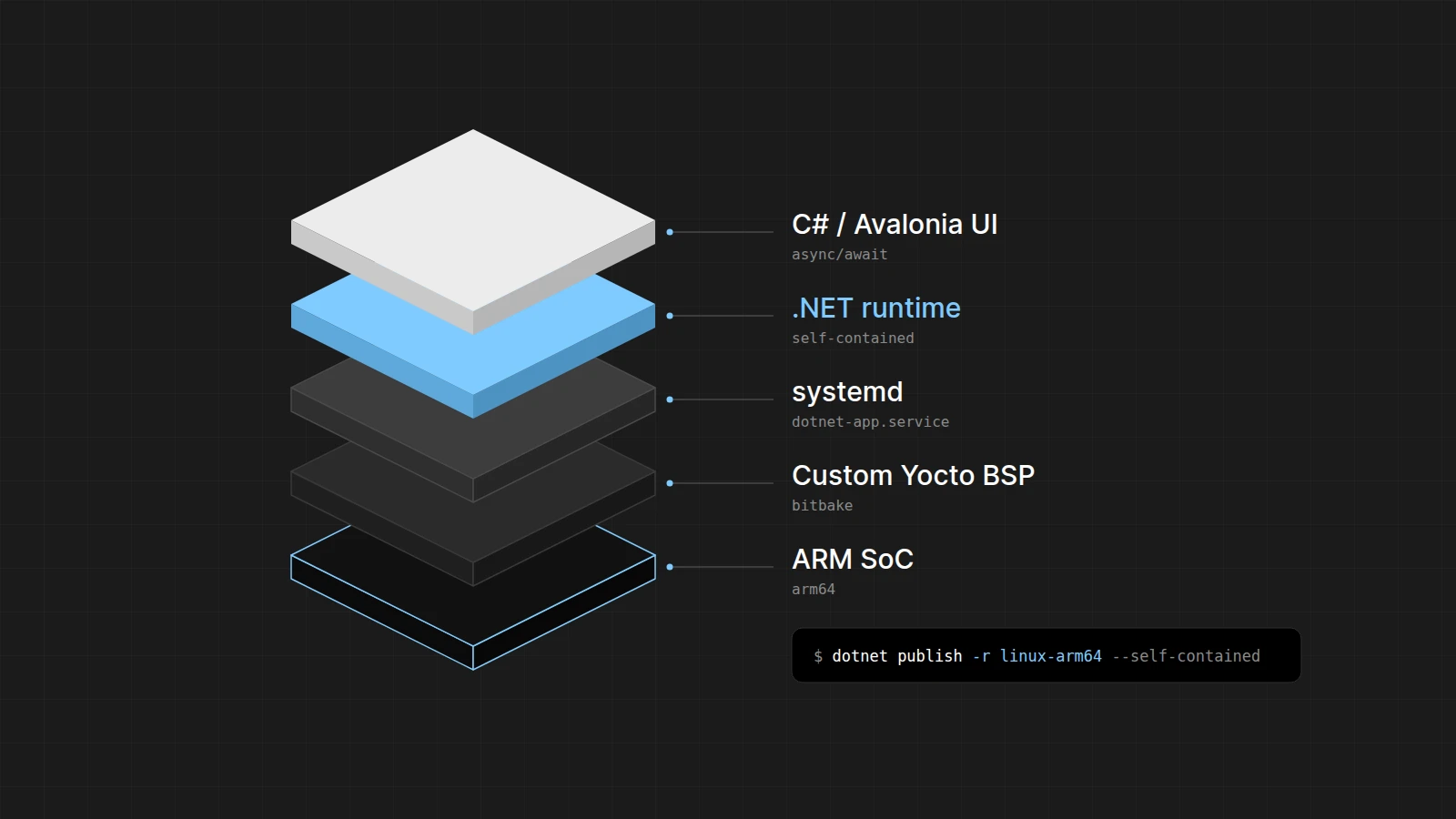
.NET on embedded Linux: why C# can be a strong choice
Embedded Linux does not automatically mean C or C++. For industrial edge devices, gateways and HMIs, modern .NET is often a productive choice. What the ecosystem gives you, how Avalonia holds up and how to get .NET into a Yocto image.
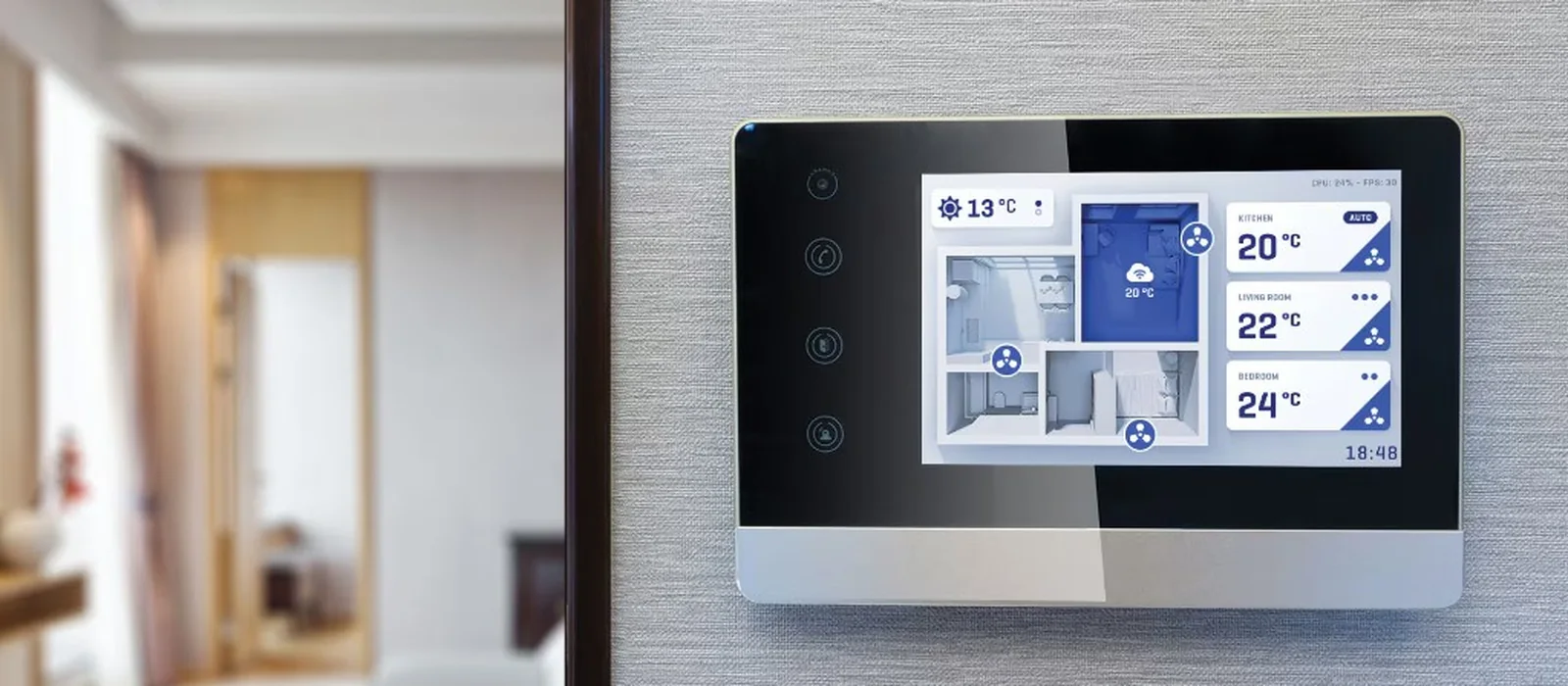
A full HMI without Yocto maintenance?
A modern microcontroller now draws a screen that used to call for Linux. What an STM32H7 or ESP32-P4 can carry, where the limit is, and when an MPU is still the better choice.
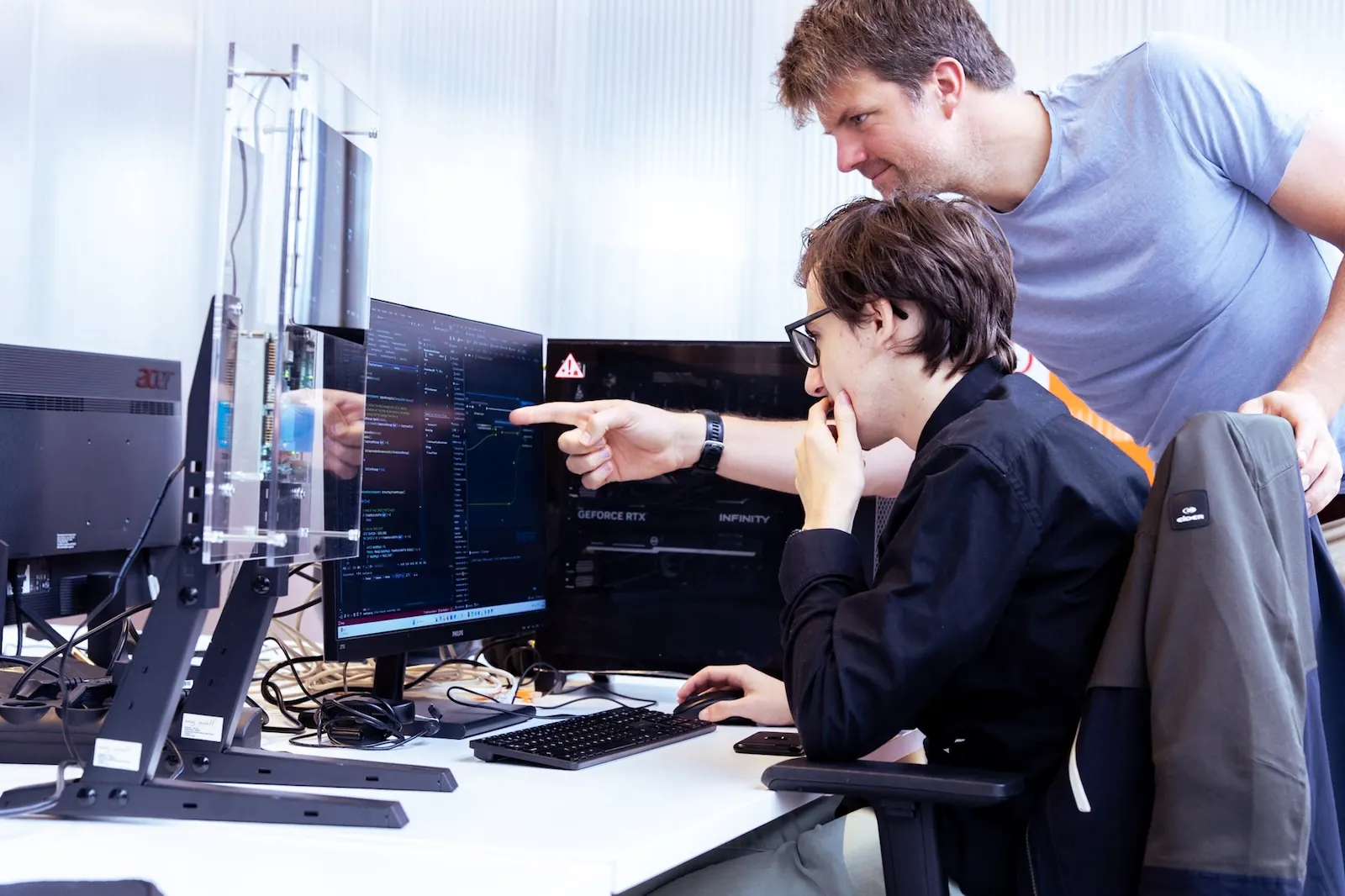
Connectivity as the foundation for smart manufacturing
Modern touch panels are the hub between operators, sensors, PLCs, MES/ERP systems and the cloud.
Edge AI: platform comparison
At low volumes Jetson is often the easier choice because of the ecosystem. At higher volumes Qualcomm becomes more interesting on unit price, power and industrial features. Here is how to weigh it up.
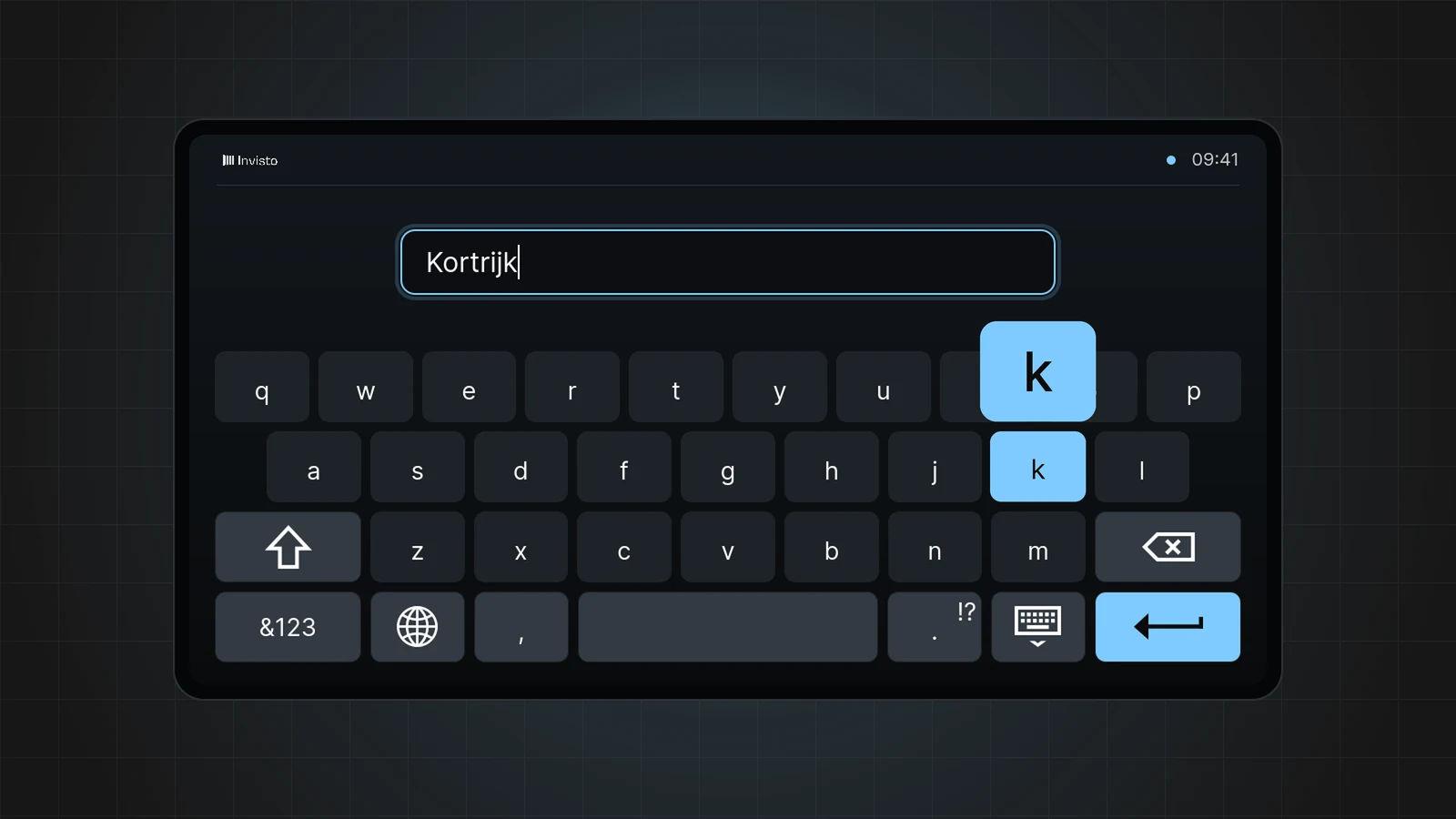
How to build a virtual QML keyboard
A virtual keyboard is needed when no physical keyboard is available.
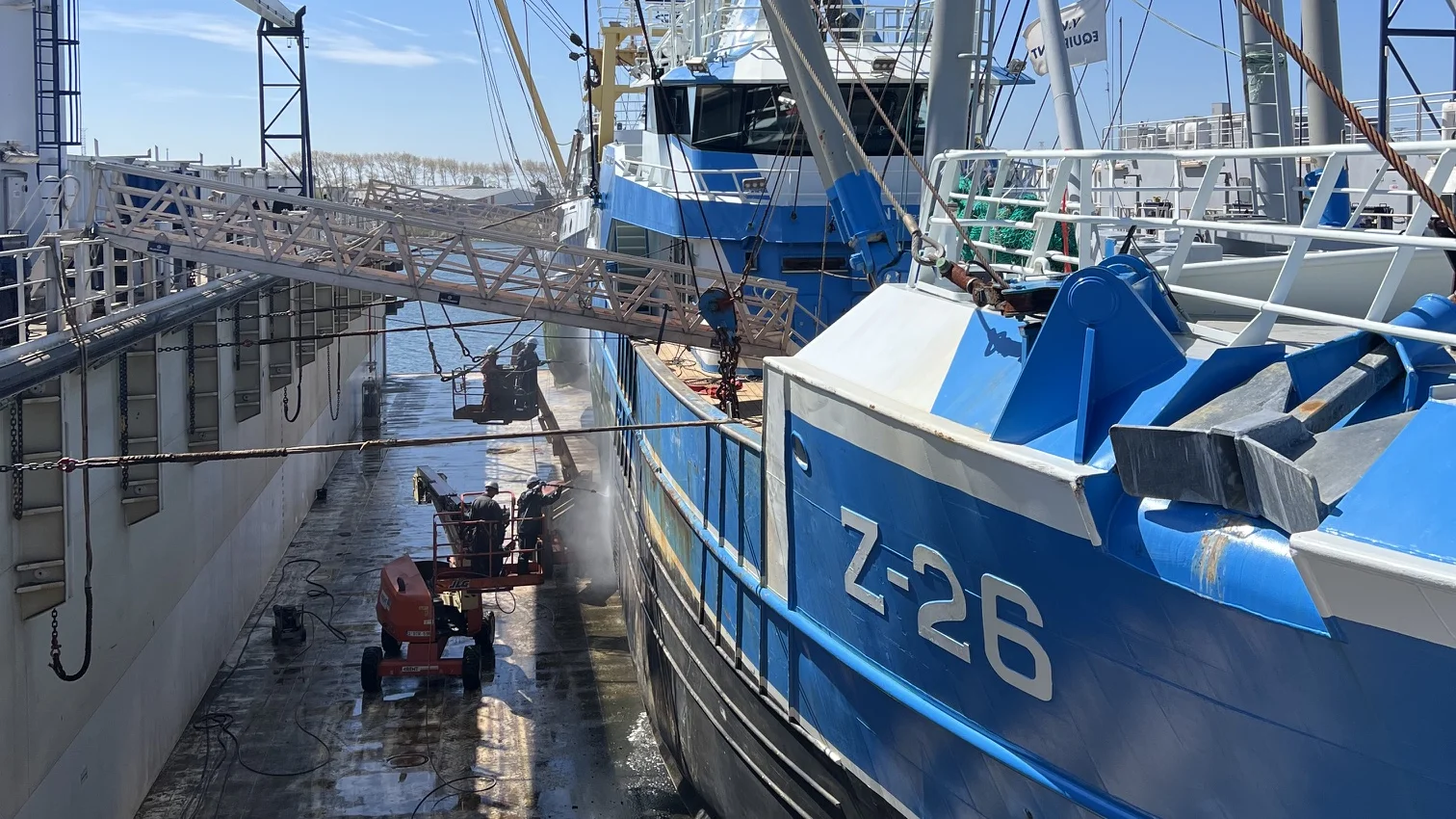
Lab vs. field: why a working prototype is not yet a robust industrial product
In the lab you prove that the concept works. In the field the power drops out, the network disappears and there is no engineer standing next to the device. What that demands from hardware, software and updates, using our project on fishing vessels as an example.
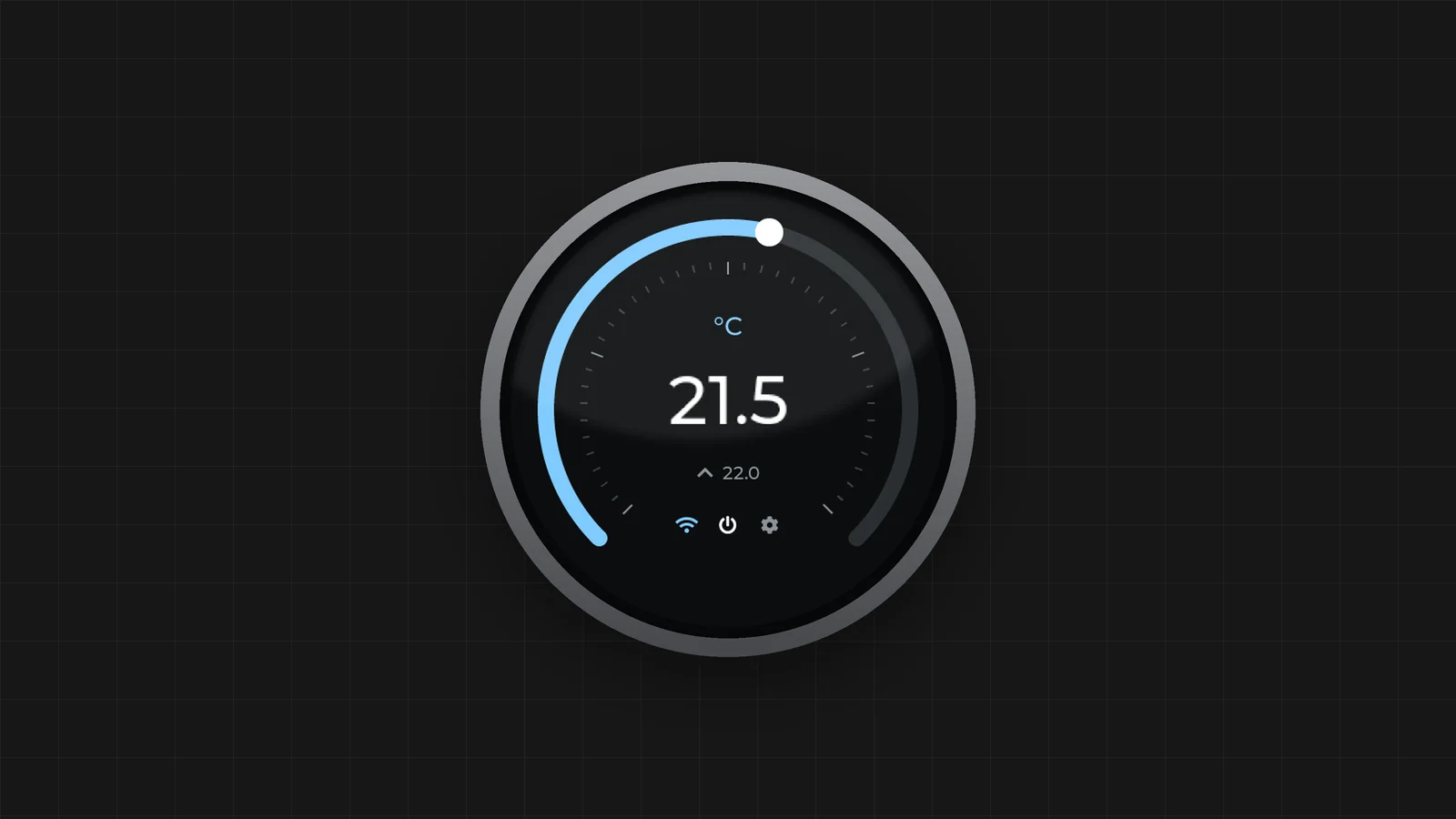
LVGL for embedded GUIs
With LVGL you can build a rich touch interface on a microcontroller, without Linux. When it fits, what the MIT license means and how it compares to TouchGFX, Slint and Qt.
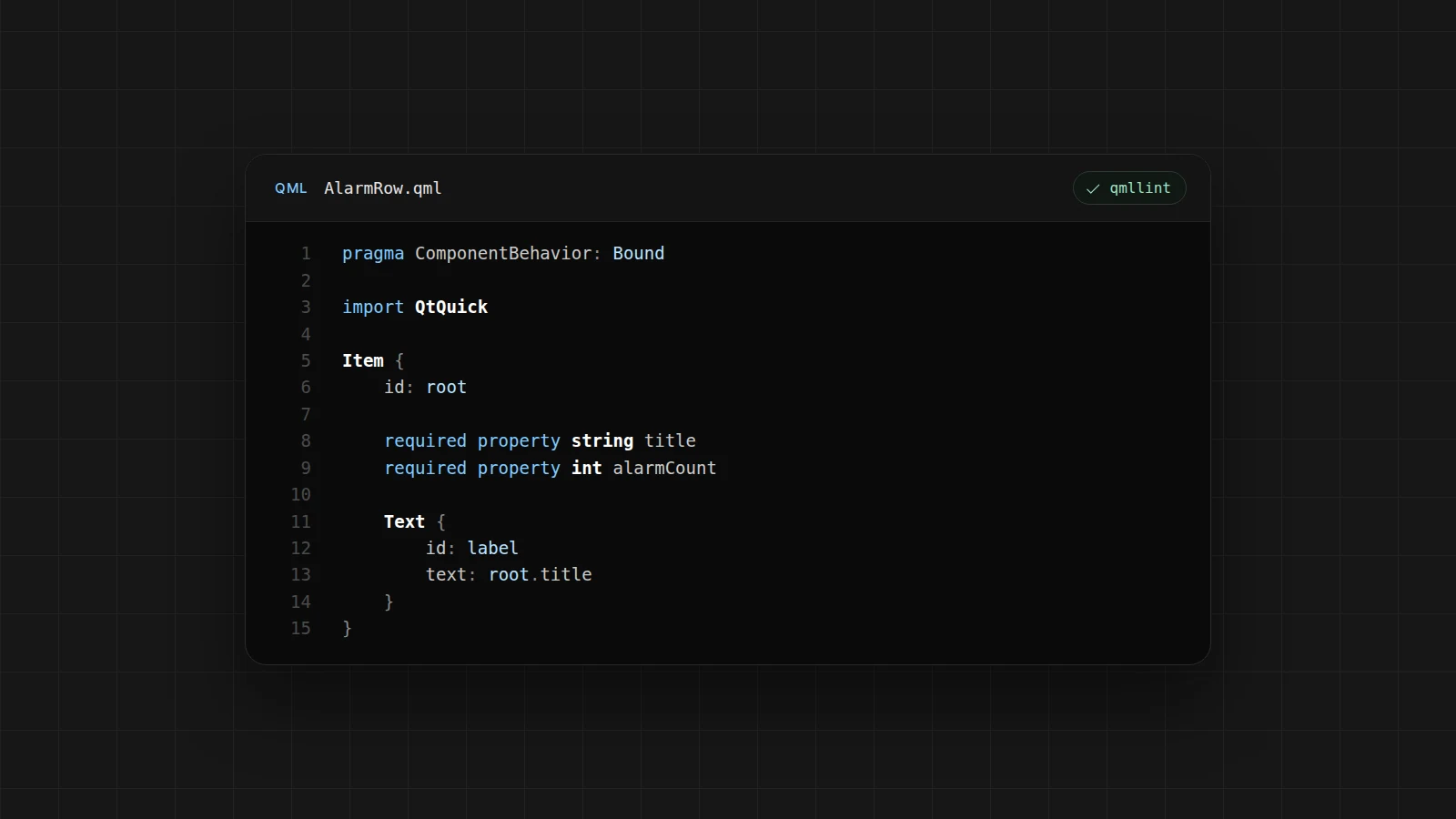
QML for an operator screen: the conventions we follow
How we write QML for an HMI in Qt 6. From readable files and bindings to models, the boundary with C++, memory, the GPU and the build.
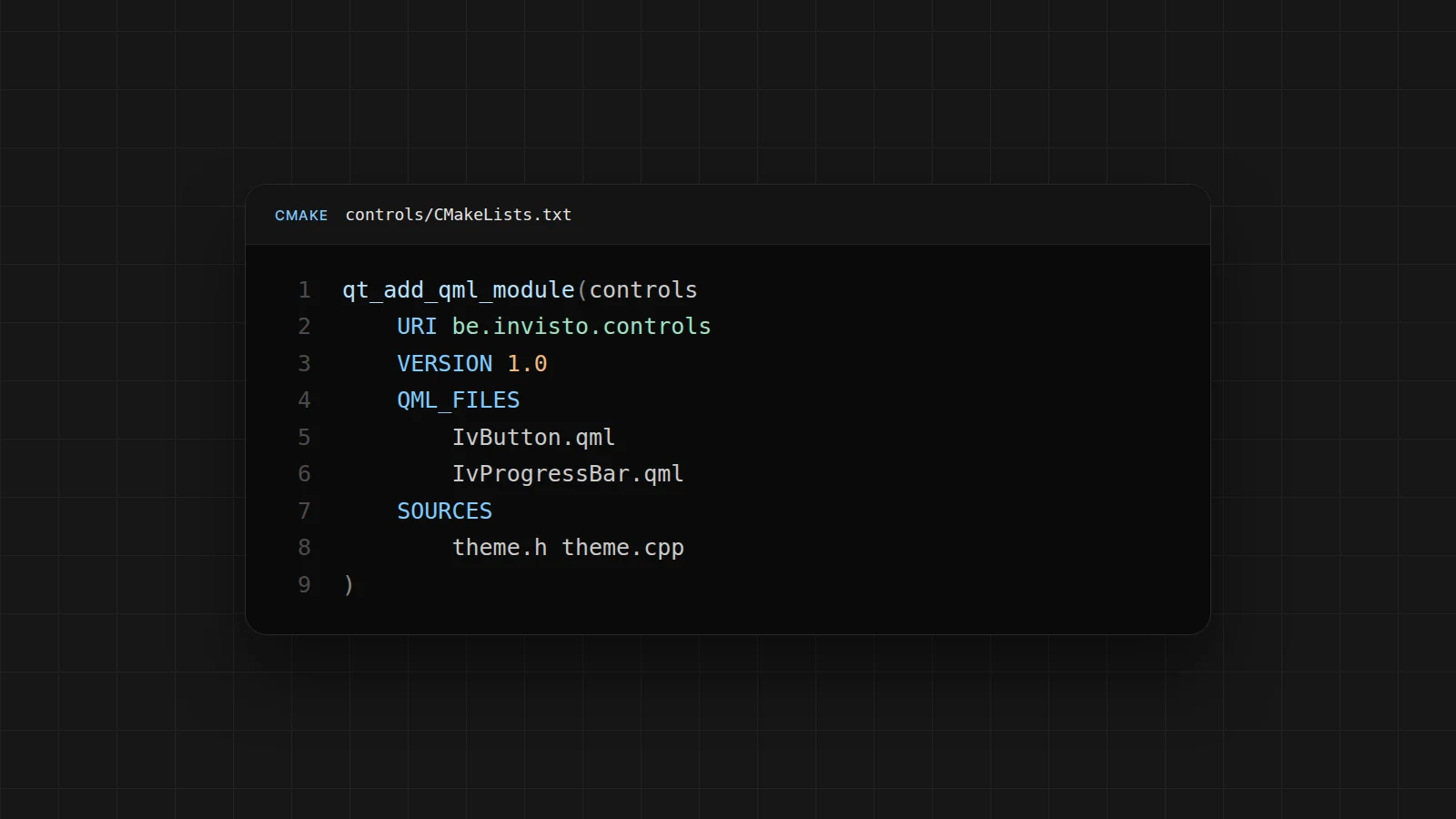
QML modules in Qt 6, and how to structure them properly
With qt_add_qml_module, every folder with QML and C++ becomes a real module, with type registration, tooling and caching included. What the command does for you, how Qt finds your modules and where things go wrong in practice.
Qt licensing for embedded devices
You can ship Qt under the LGPLv3 in a commercial product. Whether you still need a commercial license depends on your modules, your device and who keeps Qt up to date over the coming years.
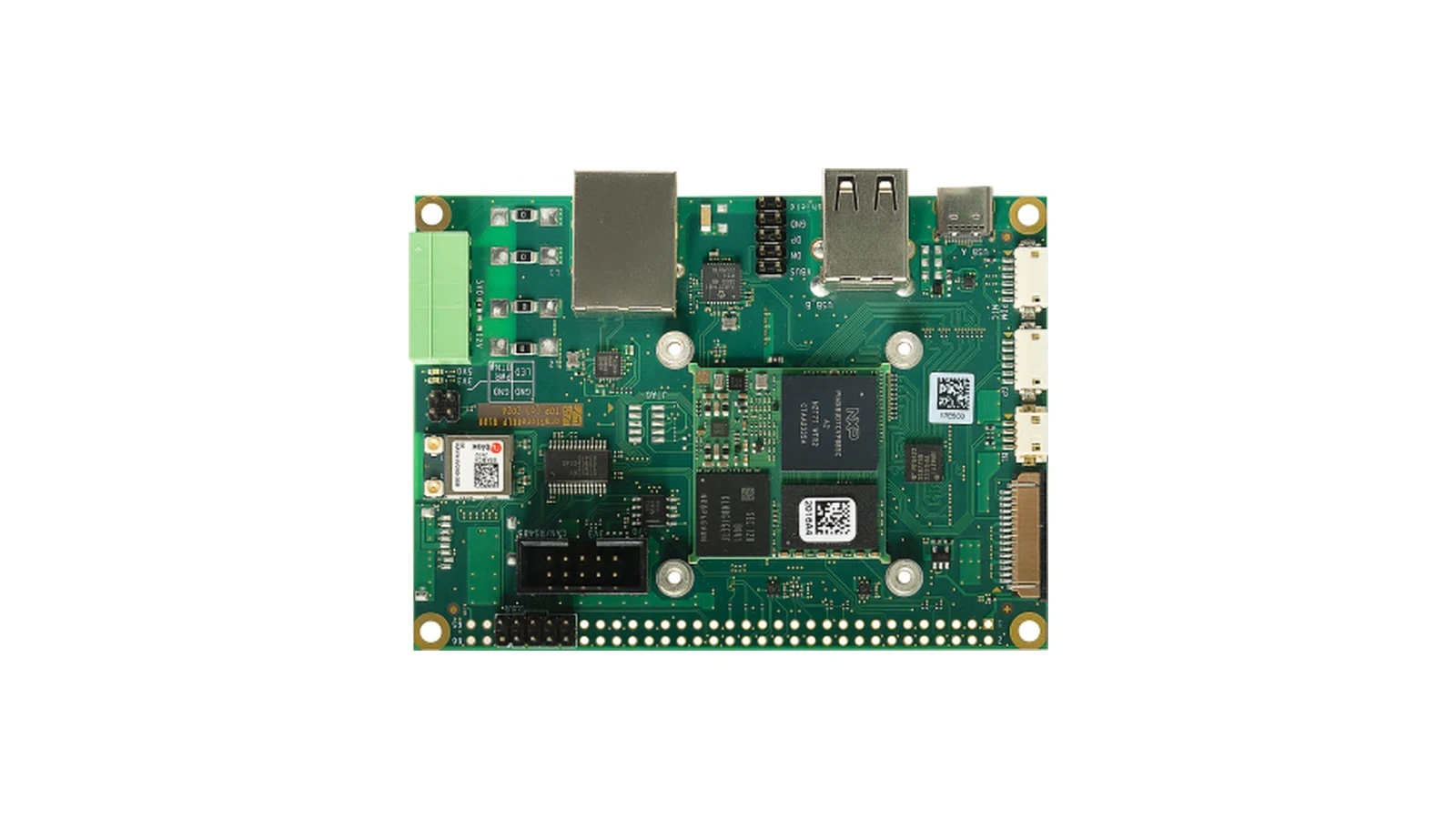
SOM vs custom PCB: which hardware architecture should you choose for an embedded Linux product?
A System-on-Module lowers development risk and gets you to market faster. A fully custom processor board becomes interesting at higher volumes, with a strict form factor or unusual I/O. Here is how to weigh it up.
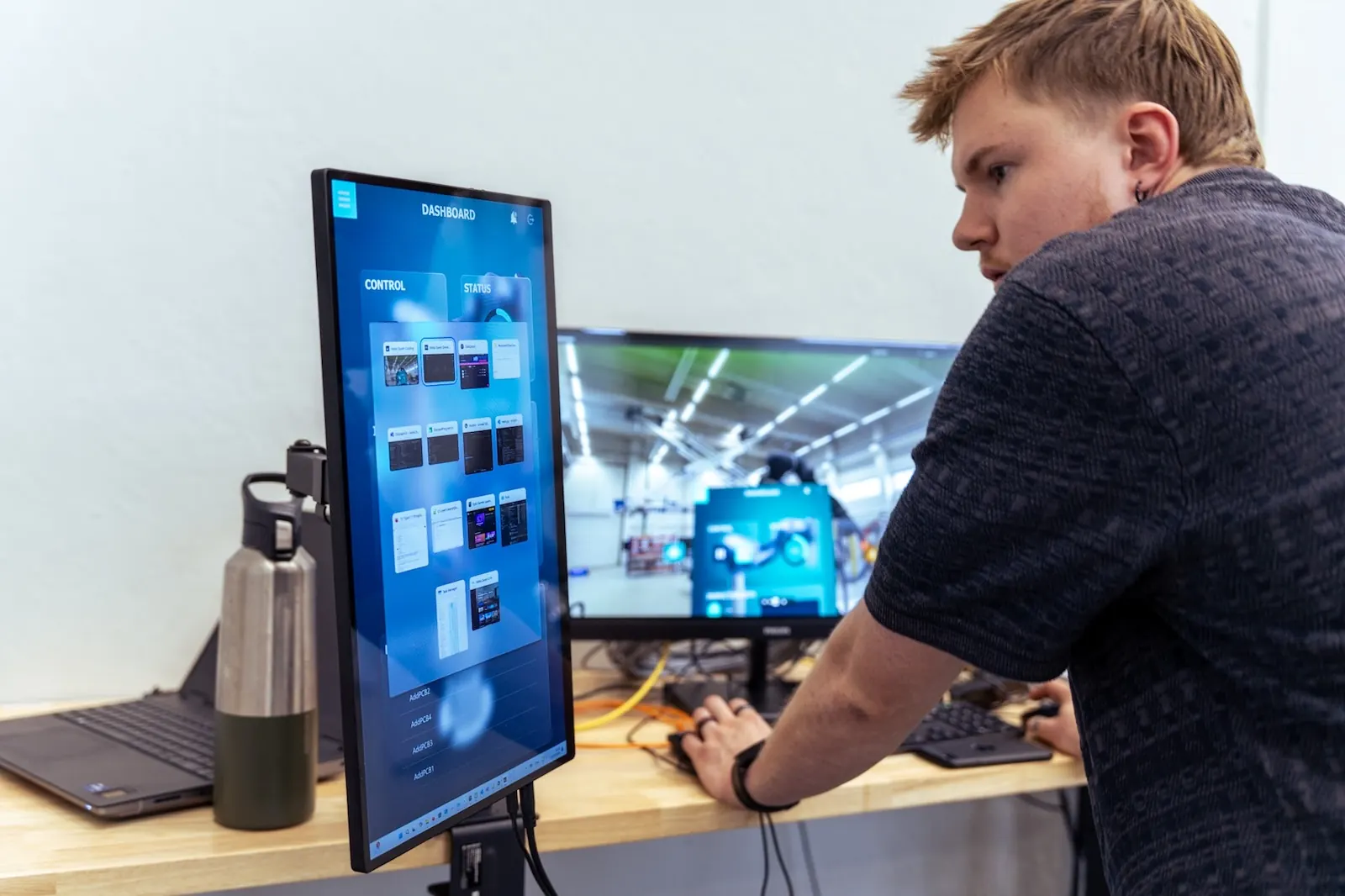
The interface as a strategic lever for your business
Modern interfaces largely determine how efficiently your production runs.
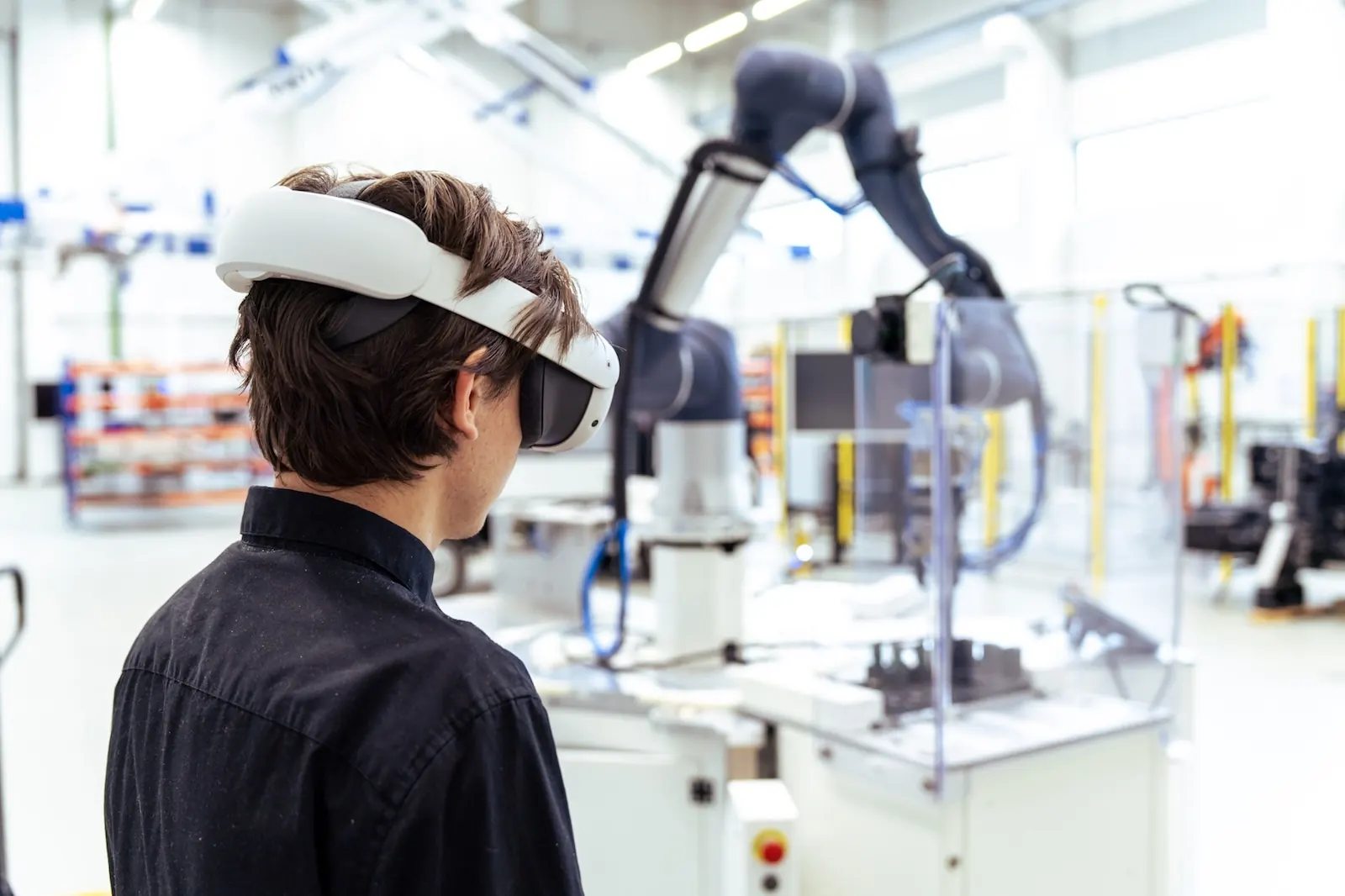
UX as a driver for more efficient production
UX is one of the fastest ways to improve performance, safety and adoption on the shop floor.
What to do when a CVE shows up on your Yocto image
The SBOM tells you what went into that release. Whether the vulnerability is in your tree, and which machines still run that release, are two separate questions. Since 11 September 2026 the answer also matters for a report.
When should you choose Zephyr for an embedded product?
Zephyr shines once firmware grows from a simple control loop into a connected software platform. Not every microcontroller project needs an RTOS, though, and sometimes bare-metal is deliberately the better architecture.
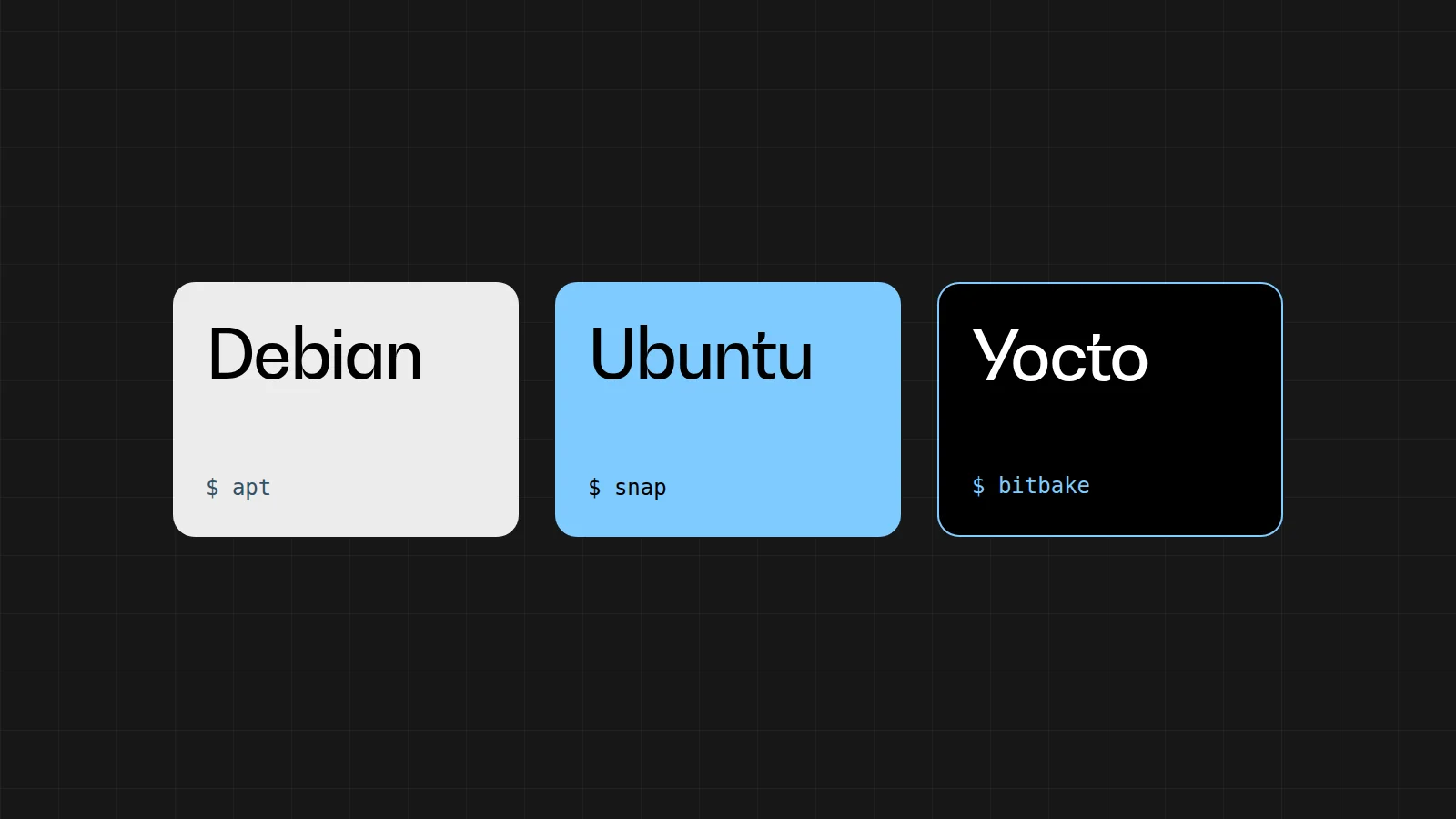
Yocto vs Ubuntu vs Debian: which Linux should you choose for an embedded product?
All three can be an excellent choice. The difference lies in your hardware, your time-to-market, the control you need and who maintains the platform.
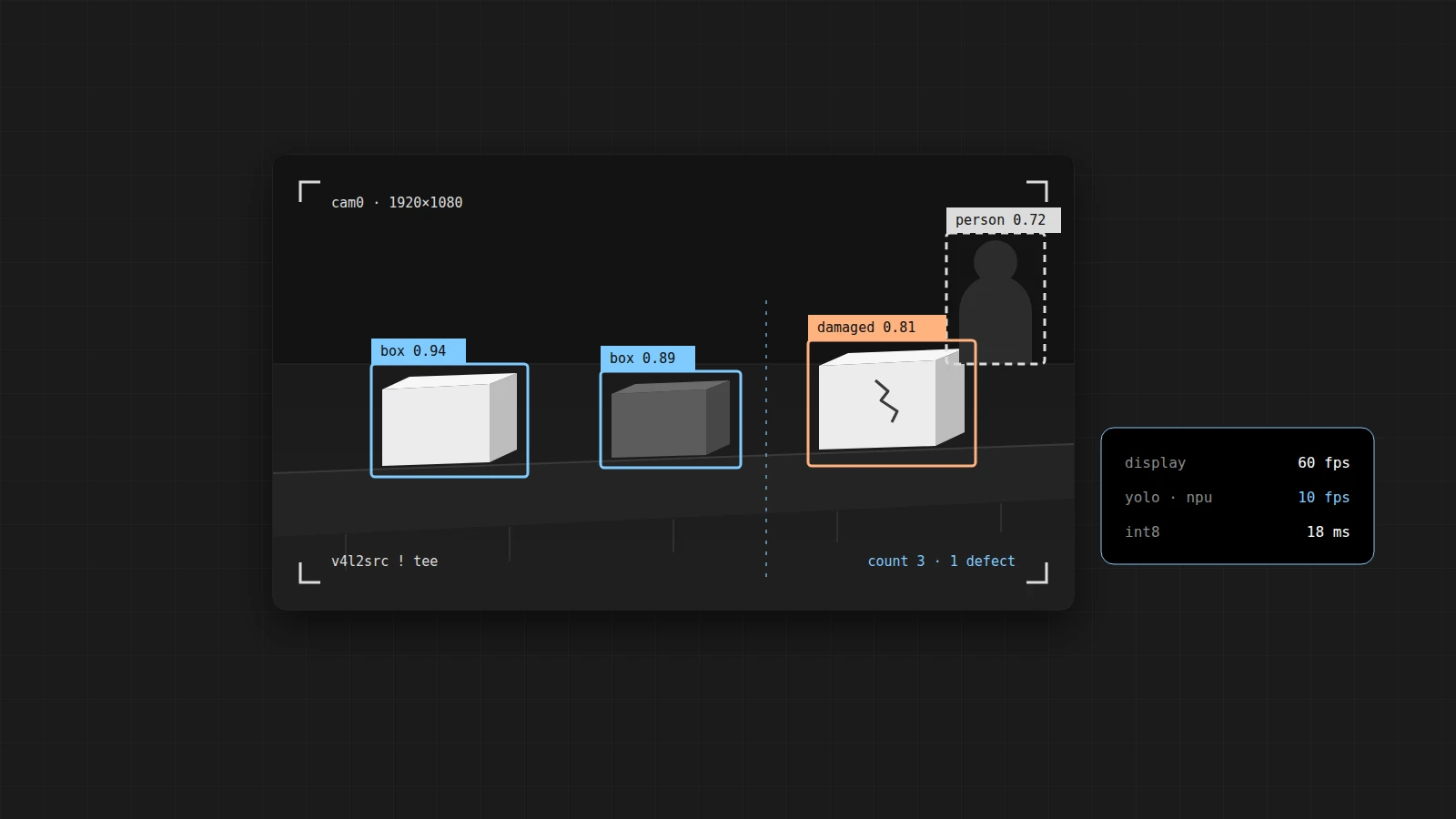
YOLO on an embedded device
Getting a YOLO model to run is only a small part of the work. From camera image to a robust vision pipeline with GStreamer, hardware acceleration and Yocto Linux.